

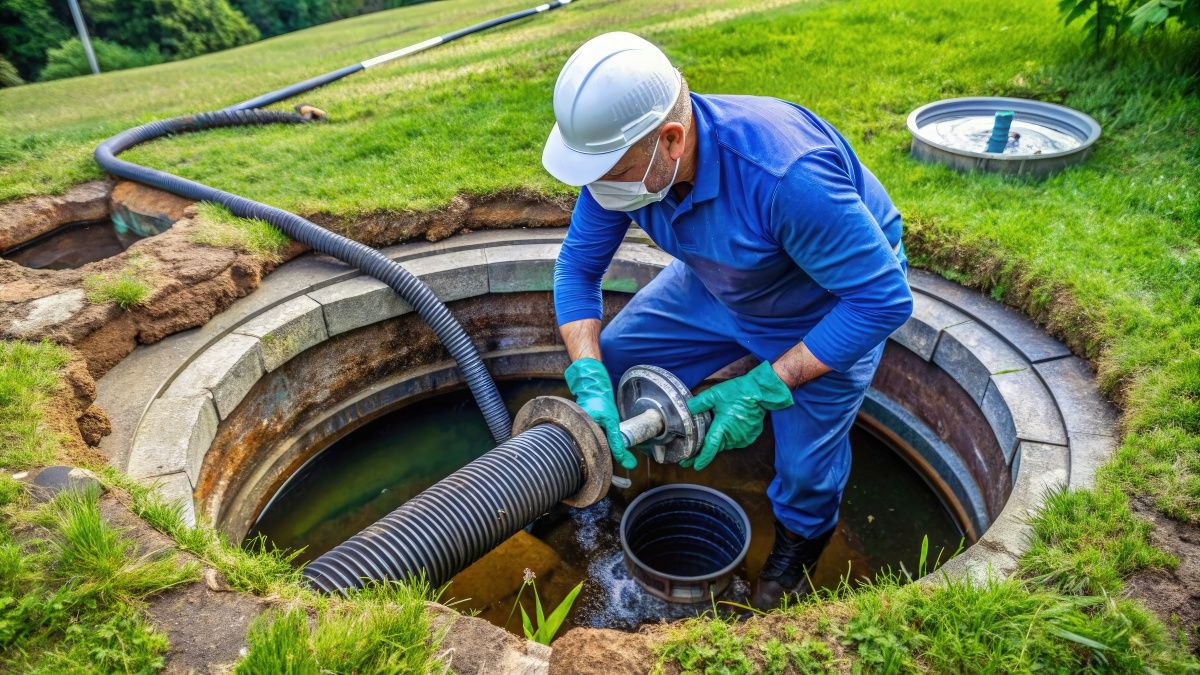
Slow drains. A whiff of sewage out by the yard. A toilet that gurgles right when the washing machine drains. Sound familiar? Then you're probably staring down the same question a lot of septic owners eventually hit: fix it, or replace the whole thing?
Table of Contents
The truth is, there's no clean rule that works for every house. A cracked pipe and a collapsed drain field can look almost identical from where you're standing at the kitchen sink, but they call for completely different responses. What actually separates the two comes down to the system's age, how well it's been kept up, and what's really going on underground—and that last part is hard to know just by eyeballing symptoms. Keeping up with septic system maintenance, and knowing what to watch for, makes the whole repair-or-replace question a lot less stressful when it does come up.
Signs Something’s Off With Your Septic System
Septic trouble doesn't usually show up out of nowhere. It builds for weeks, sometimes months, before it's obvious—which is a big reason septic system inspection matters even when nothing seems wrong yet. This is especially true with septic system maintenance in Maryland, where heavy clay soil and seasonal rainfall can mask early warning signs or make a struggling drain field harder to spot. Things worth paying attention to:
- Drains running slow across the whole house, not just one sink
- A sewage smell near the tank, the drain field, or even inside
- Gurgling from toilets or drains after a big flush of water somewhere else
- Grass over the drain field that stays soggy or oddly green, even in a dry spell
- Actual backups into a sink, tub, or toilet
- Water pooling near the tank or leach field for no obvious reason
- The same drainage issue coming back again after it seemed to clear up
Any one of these by itself might not mean much. A few showing up together, or one that just won't stay fixed, usually does.
When Repair Probably Gets the Job Done
Plenty of septic problems turn out fixable without touching the rest of the system. A cracked pipe, a bad baffle, or a pump or float switch that's quit working—repair makes sense here, especially if the tank is structurally fine and the drain field is still doing its job. Swapping out one failed part is almost always cheaper and quicker than starting over.
Worth checking your home's own plumbing first, too. Backups and slow drains sometimes trace back to something inside the house, not the tank outside. And a system that's been kept up through professional septic maintenance, without a track record of repeat breakdowns, is usually a decent candidate for repair rather than replacement.
When Replacement Starts Looking Like the Right Call
Replacement tends to become the more sensible option once the same problems keep resurfacing no matter what gets fixed. A few situations that point that direction:
- The tank has real structural damage—heavy cracking, or worse, partial collapse
- The system is old enough that it's near or past its expected lifespan
- The drain field has failed outright and just can't absorb wastewater anymore
- Drainage issues keep coming back even after several repairs
- You're spending enough on repeat repairs that a new system starts to pencil out cheaper
When a few of these show up together, patching individual parts usually costs more over time than just replacing the system.
Why Maintenance Actually Matters Here
Here's the part that's easy to forget until it's too late: consistent septic system maintenance is what makes this whole repair-vs-replacement question easier to answer in the first place. Homeowners who stay on top of pumping and inspections tend to catch trouble while it's still small before a backup ever happens.
Maintenance also builds something homeowners don't always think about until they need it: a paper trail. Knowing when the tank was last pumped, what an inspector flagged, and how the system's performed over the years—that history makes it much easier for a professional to tell whether a new problem is a one-off or part of something bigger. Regular pumping and septic tank maintenance won't stop every possible issue, but it cuts the odds of a major failure by a lot.
Weighing Repair Against Replacement
When it comes down to an actual decision, a handful of things usually carry the most weight:
- Age. Older systems near or past their expected lifespan lean toward replacement.
- How bad the damage is. Contained, isolated issues favor repair. Widespread damage doesn't.
- Repair history. A system that keeps needing fixes is usually telling you something.
- Drain field condition. Often the deciding factor—a failed field is hard, sometimes impossible, to repair on its own.
- Overall performance. How well it's keeping up with day-to-day household use.
- Cost over time. What continued repairs will likely add up to, versus replacing now.
- What an actual inspection turns up. This tends to matter more than any of the visible symptoms.
No single factor decides it. It's usually the combination.
Why a Professional Should Be the One to Decide
septic maintenance
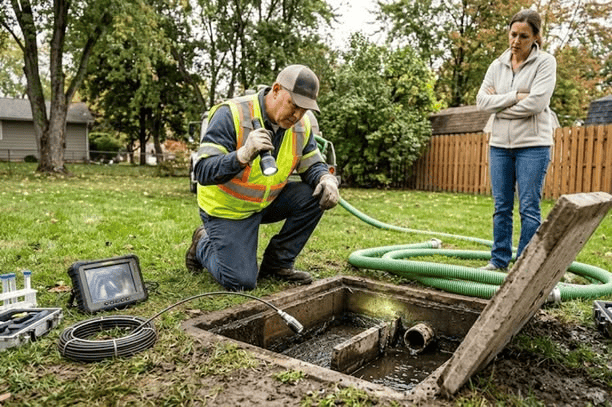
Here's the honest limit of figuring this out yourself: what you can see above ground—a bad smell, a wet patch of lawn—only hints at what's happening underneath it. Whether the drain field has actually failed or the tank has structural damage, it usually takes equipment and training most homeowners don't have.
A qualified septic professional can get eyes on the tank, pipes, and drain field directly, trace a problem to where it's actually coming from, and give you a recommendation based on the system's real condition instead of a guess. That's the difference between a repair that fixes things and one that just buys a few more months.
Habits That Keep a Septic System Going Longer
Whether you're dealing with a problem right now or just trying to avoid one later, a few habits go a long way:
- Stick to a pumping and inspection schedule instead of waiting for symptoms
- Skip flushing wipes, grease, or harsh chemicals
- Watch your overall water use so the system isn't hit all at once
- Fix plumbing leaks quickly instead of letting extra water reach the tank
- Keep vehicles and heavy equipment off the tank and drain field
- Hang onto records of past maintenance, pumping, and repairs
- Call a professional as soon as something seems off, instead of waiting to see if it goes away
None of that guarantees a system never needs work. But paired with regular professional maintenance, it stacks the odds heavily in your favor.
Conclusion
Deciding between septic repair and replacement really comes down to paying attention early and getting the right eyes on the problem. A single symptom doesn't always mean a full system is failing, and an old system doesn't automatically need to be torn out—but a pattern of recurring issues, a struggling drain field, or repairs that keep piling up usually points toward a bigger decision. Staying consistent with septic system maintenance is what makes that decision easier when it comes, since it catches problems while they're still small and gives a professional the history they need to tell repair from replacement. When in doubt, an inspection beats a guess every time—and the team at Cullison Excavating, LLC, is glad to be the ones you call for it.
Frequently Asked Questions
How do I know if my septic system needs repair?
Slow drains, gurgling, sewage smells, and standing water near the drain field are usually the first signs. An inspection tells you whether it's something small or something bigger.
When should a septic system be replaced?
Generally once it's an older system with a pattern of repeat failures, serious drain field damage, or when ongoing repairs start costing close to what a new system would.
How often should septic system maintenance be performed?
Depends on household size, tank size, and how much the system's used—but most homes do fine on a pumping and inspection schedule set by a professional rather than a fixed date on the calendar.
Can regular septic maintenance prevent system failure?
Not entirely, but it catches most problems early, which is usually what separates a small repair from a full-blown failure.
Should I repair or replace an old septic system?
It comes down to condition more than age alone. An older system with one isolated issue might still be worth repairing. One with a pattern of recurring problems or a failed drain field usually isn't. A professional evaluation is the most reliable way to know which one you're dealing with.