

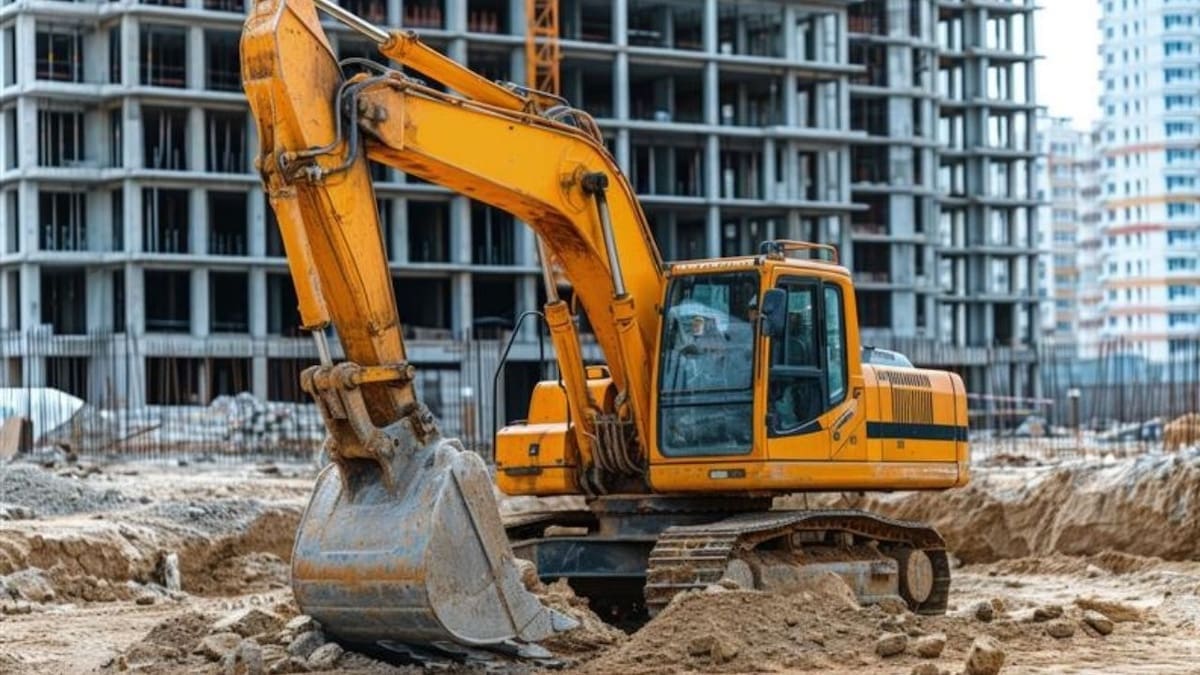
Behind every sturdy building, smooth driveway, or carefully laid foundation lies an essential process of excavation. It may not be the flashiest phase of construction, but it’s undeniably one of the most critical. Whether it’s a residential home or a large-scale commercial property, excavation sets the groundwork literally for the entire build.
Table of Contents
In this blog, we’ll dive into the key roles excavation plays in both residential and commercial construction, the types of services involved, and why hiring a skilled excavating contractor is vital for success.
What Is Excavation in Construction?
The process of removing dirt to make a building site ready for construction is called excavation. It involves cutting, digging, trenching, grading, and moving soil or rock to create a stable base for building structures, installing utilities, or landscaping.
Excavating is more than just digging a hole; it takes skill, planning, and precision to guarantee durability, safety, and regulatory compliance.
Why Excavation Is Critical in Any Construction Project
Before you can build anything be it a house, a retail store, or an office building—you must prepare the land properly. This is where excavation comes in. Here's why it’s so important:
1. Lays the Foundation for Structural Stability
Without proper excavation, even the best-designed structures can fail. A level, compacted, and stable surface is essential to support the foundation, which is the backbone of any building. Inadequate excavation can result in long-term damage, shifting soil, and foundation fractures.
2. Enables Proper Drainage and Water Flow
Excavation is also responsible for shaping the land to allow effective drainage. Water pooling around a building can lead to erosion, flooding, and damage. In order to maintain the integrity of structures, excavators slope the terrain so that rainfall runs off of them.
3. Provides Access for Underground Utilities
Before a building goes up, excavation crews dig trenches for plumbing, electrical, gas, and sewer lines. These utility installations must be accurately placed, which requires skilled excavation to avoid costly mistakes.
4. Code Compliance and Safety Assurance
Expert digging professionals are aware of regional construction and environmental codes. They know how deep to dig, where to avoid underground hazards, and how to conduct the work safely.
Residential Excavation: Building Homes That Last
In residential construction, excavation is typically one of the first steps after planning and permitting. Here's what it involves:
1. Site Clearing
The process starts with removing trees, stumps, rocks, and debris to prepare the area. This creates a blank slate for the build.
2. Foundation Excavation
Next comes digging for the home’s foundation. Whether it's a slab, crawlspace, or full basement, precision excavation ensures the foundation will sit correctly and be structurally sound.
3. Trenching for Utilities
For gas, electricity, sewage, and water lines, trenches are dug. These must be placed at correct depths and distances as per code.
4. Land Grading
Once excavation is complete, the land is graded to ensure proper slope and water runoff, helping prevent future drainage problems.
5. Driveways and Landscaping Prep
Excavation also plays a role in creating smooth surfaces for driveways, patios, retaining walls, and future landscaping.
Example: When building a custom home in a hilly area, a skilled excavation team will not only dig the foundation but also contour the land to manage stormwater, stabilize slopes, and enhance curb appeal.
Commercial Excavation: Preparing for Larger, Complex Builds
Excavation on commercial projects is often more complex due to the larger scale, heavy machinery involved, and stringent regulations. Here's what it includes:
1. Site Evaluation and Earthwork Planning
Commercial excavation starts with surveying and geotechnical testing. Engineers use this data to guide excavation depth, soil handling, and grading plans.
2. Mass Excavation and Grading
Large commercial sites often require moving thousands of cubic yards of soil. Heavy equipment like bulldozers, scrapers, and excavators are used to shape the land to exact specifications.
3. Roadways, Parking Lots, and Stormwater Systems
Before a building goes up, crews excavate for roads, sidewalks, parking areas, and drainage systems. These features must meet strict safety and accessibility standards.
4. Retaining Walls and Slope Stabilization
Retaining walls are required on uneven locations to stop erosion and make area that can be used. Excavation plays a key role in wall installation and slope management.
5. Deep Foundations and Footings
For large commercial buildings, excavation may involve digging deep footings, piers, or caissons to support heavy structural loads.
Example: For a new retail complex, excavation teams may dig out multiple building pads, install stormwater basins, and grade the land to accommodate ADA-compliant walkways, all before a single brick is laid.
Types of Equipment Used in Excavation
Excavation work relies on powerful and specialized machines. Common equipment includes:
-
Excavators – for digging and trenching
-
Backhoes – for digging and lifting
-
Bulldozers – for pushing and grading earth
-
Skid Steers – for tight-access excavation
-
Dump Trucks – for hauling soil and debris
-
Graders – for fine grading and leveling
For efficiency and safety, skilled excavation professionals know how to match the appropriate equipment to the task.
Why Hiring a Professional Excavation Contractor Matters
While excavation may look straightforward, it requires technical skill, local knowledge, and the right tools to be done correctly. Here’s why hiring a professional matters:
1. Precision Work
From digging to exact measurements to avoiding buried utility lines, experienced contractors minimize risks.
2. Permits and Compliance
Professionals understand zoning laws, environmental rules, and construction permits—so you don’t face delays or fines.
3. Efficiency and Safety
Trained crews with proper machinery complete work faster and safer than DIY or inexperienced operators.
4. Long-Term Savings
A well-prepared site prevents costly issues later on, such as foundation repairs, water damage, or erosion control.
The importance of an excavating contractor, both residential and commercial, is fundamental in more ways than one. They.
- Secure safe and stable beginnings.
- Shape land with precision and purpose.
- Manage resources, debris, and site transitions.
- Bring experience, efficiency, and environmental care.
- Make your dreams a reality-whether it is your family home, commercial property or waterfront retreat.
A local excavating contractor Southern Maryland uses for all their excavation needs is Cullison Excavating. This company has deep roots in this area. Their focus is residential work. Thus, they have the tools and talents you require. The company’s reliable and robust solution makes them an ideal partner for any project aimed at the foundation and above.
Final Thoughts: Excavation Is the Unsung Hero of Construction
Whether you're building a dream home or developing a commercial complex, excavation is the first and one of the most crucial steps. It shapes the success of everything that follows.
- A skilled excavating contractor does more than dig. From soil preparation to final grading, they guarantee that your project starts on a strong, sturdy, and safe foundation. Cutting corners in excavation may not show up immediately, but it often leads to big problems down the line.
- Don’t underestimate the ground beneath your feet, excavation is where successful builds begin.
Looking for Professional Excavation Services?
At Cullision Excavating, our network includes trusted, experienced excavation contractors ready to handle both residential and commercial projects across Maryland and beyond. Contact us today to ensure your next build starts strong.