
The septic system is an important element in most houses, particularly in the rural or suburban homes that are not linked to the municipal sewage systems. Though it may not be seen or thought about, knowing how a septic system functions, can help the homeowner to value the role it plays in ensuring a safe, healthy and functional living environment.
Table of Contents
This blog will go into the mechanics of septic systems, their critical importance in the treatment of wastewater, and the necessity to maintain, repair, and inspect them on a regular basis.
What is a Septic System?
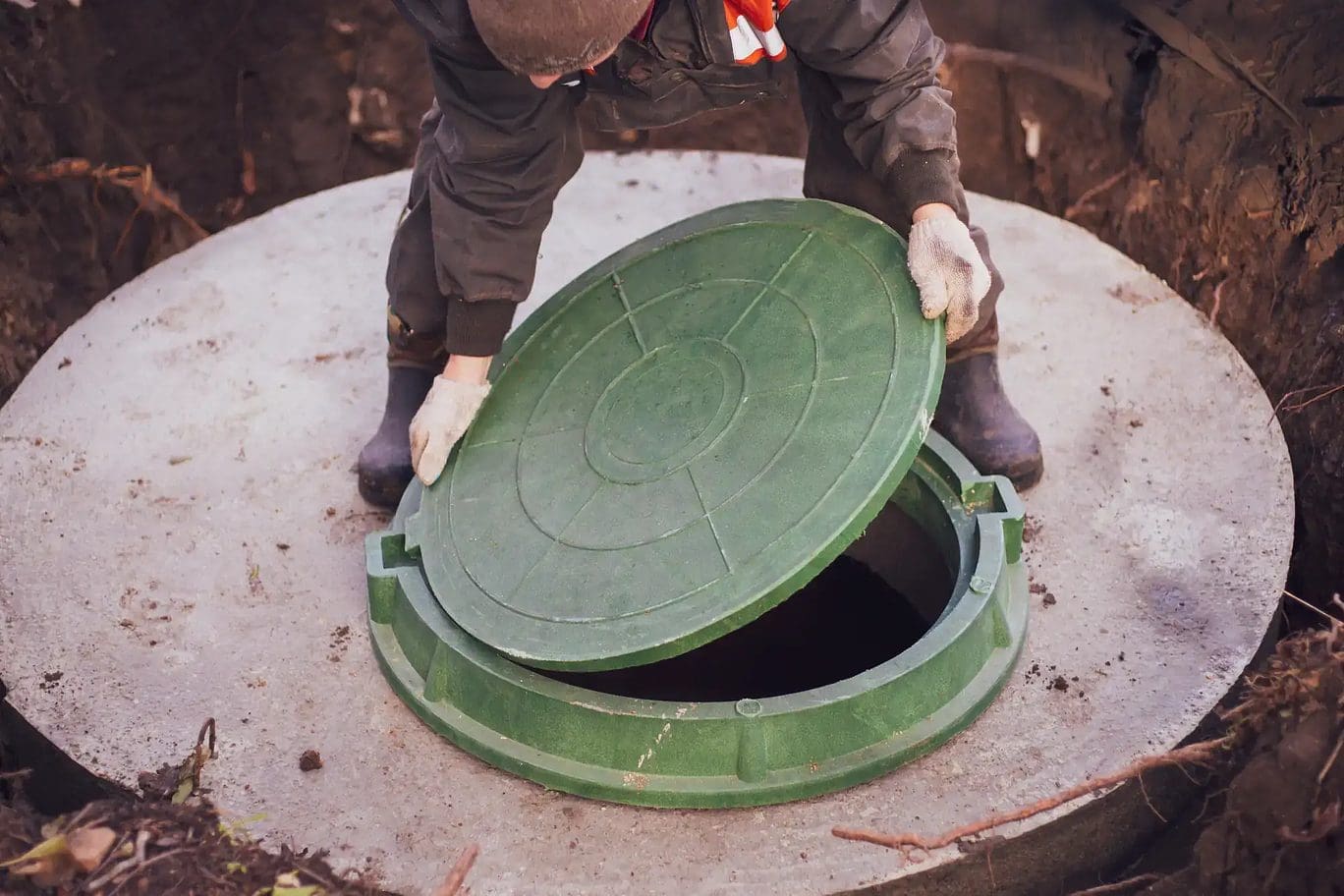
A septic system is a type of underground wastewater treatment system that is typically used in residential and commercial facilities not linked to a sewer system. It is aimed at treatment and disposal of household wastewater, like flushing toilets, bathing, and washing dishes. The system is normally made out of two key parts: a septic tank and a drain field.
Working of a Septic System
Fundamentally, a septic system operates under a natural filtration and natural treatment process. This is the way it works:
1. Wastewater enters the Septic tank
The wastewater of your whole house is collected in one pipe and emptied in the septic tank. This tank is a big, water tight tank that is usually constructed of concrete, fiberglass or plastic. Within it, the garbage is divided into three different layers:
- Scum: This is the floating surface of greases, fats and oils.
- Effluent: The layer in the middle is predominantly liquid wastewater filtered through the solids.
- Sludge: The material that is heaviest such as dirt, food particles and other solid wastes sink to the bottom.
2. Septic Tank Treatment
The natural bacteria start degrading the solid waste in the septic tank. This will aid in the minimization of solid waste and organic material. Not every solid is totally decomposed though. This is the reason why the tank should be pumped after a few intervals in order to eliminate the sludge and scum otherwise the tank will be full and ineffective.
3. Effluents enter the Drain Field
After partial treatment of the wastewater in the tank, the effluent is discharged slowly in the drain field. The drain field is a system of pipes or trenches that have been put underground, typically in a gravel bed. As the effluent passes through these pipes, it is filtered using soil, eliminating harmful bacteria, viruses and nutrients. This last filtration process guarantees safe and clean water that is released into the environment.
Important parts of a Septic System
- Septic Tank: The wastewater is kept here temporarily and the primary treatment (through bacterial action) is done.
- Drain Field (Leach Field): This is a system consisting of perforated pipes that permit flow of effluent into the ground where they are filtered naturally.
- Soil: The soil is important in treating the wastewater further to eliminate any contaminants that might still be in the wastewater.
- Vent System: Vent pipes enable gases to be removed, avoiding the accumulation of pressure in the tank.
- Distribution Box: This is the part that makes sure that the effluent is uniformly dispersed into the drain field pipes.
Why is Septic Maintenance Important?
A septic system should last several years, but just as any other system it takes proper maintenance to be efficient. Failure to take care of the usual maintenance may result in expensive repairs and health risks. Here's why regular septic maintenance is so important:
1. Prevents System Failure
The sludge and scum accumulate in the septic tank over time. Unless the tank is pumped on a regular basis, these solids will spill over into the drain field leading to system blockages and system failure. This may lead to sewage overflow into your house and expensive repair.
2. Improves System Efficiency
Regular maintenance will guarantee an efficient functioning of the system and minimize the possibility of clogs or ineffective waste treatment. The cleaner a septic system is maintained, the more efficient the process of wastewater treatment is and the clean and safe water is delivered to the environment.
3. Prolongs the Life of Your System
A properly maintained septic system is expected to last up to 20-30 years or so. You are making sure that the system does not need to be replaced prematurely or needs a lot of repairs by scheduling regular inspections and pumping so that the system lasts as long as possible.
4. Protects Public Health
When a septic system fails because of neglecting it may lead to a situation where untreated sewage will find its way into the ground water that may be contaminated by the wastewater. This might be very dangerous to your health, your family and your community.
Importance of Professional Septic Services
Septic installation service, septic repair service and septic inspection service are needed to ensure the well-being and functionality of your system. Here’s why:
1. Septic Installation Service
The installation of a septic system is a process that must be well planned, understand local laws and proper equipment. Professional installation will guarantee that your system is installed properly to give you many years of service. The lack of proper installation may lead to clogging frequently, inadequate treatment of wastewater, or even contamination of the environment.
2. Septic Repair Service
Septic systems can become damaged over time through wear and tear, damage by tree roots or a depositing of solids. A skilled septic repair service is able to detect problems at the initial stages avoiding expensive repairs in the future. By fixing the system immediately, you may avoid a complete replacement of the system and make sure your septic system still works effectively.
3. Septic Inspection Service
Inspections should be made regularly to determine the state of the tank, the drain field and other components of the system. Problems like cracks, leakages, or malfunctioning drain fields can be identified by a septic inspection service before they can turn out to be a big problem. The inspection is recommended to be done annually to identify any possible issues in time.
Signs When You Need Septic Repairs
Septic systems are created to operate quietly in the background, but they do emit some signs when they require attention. Keep an eye out on the following symptoms that it is time to call in an expert to check your septic:
- Slow Draining Toilets and Drains: When the wastewater is overflowing into your sinks, showers, or toilets, then it may be a sign that the septic tank is full or the drain field is clogged.
- Smells: Bad odors near drain fields or in your yard may indicate that your septic system is malfunctioning and wastes are leaking out.
- Lush Green Grass on top of the Drain Field: Although grass is normally green, an abnormally lush or spongy surface on the top of the drain field can be a sign of a leak or excess.
- Pooling Water: Water pooling around your septic tank or drain field could be a sign of a system failure or a blockage.
Conclusion
To have a healthy and efficient septic system it is necessary to have the competency of skilled individuals who know the modes of operation of these systems. Frequent checkups, repairs and maintenance will also make sure that your septic system is in good operation as it should be without damaging both your home and environment.
In need of a good septic installation service, septic repair service or septic inspection service, Cullision Excavating is at your service. Our professional staff will ensure that your septic system is maintained in the best state possible to prevent expensive breakdowns and costs as well as ensure that your family has a safe and clean environment.
Frequently Asked Questions (FAQs)
At what rate should I pump out my septic tank?
It’s recommended to have your septic tank pumped every 3 to 5 years, depending on the size of the tank and the number of people in your household.
How can I avoid having problems with my septic system?
Do not flush non-biodegradable products, do not use harsh chemicals, and make sure that your system is regularly serviced and maintained.
How long does a septic system last?
With proper maintenance, a septic system can last 20–30 years or more.
What are the symptoms that my septic system requires repair?
Symptoms are slow drainage, unpleasant smell, standing water around the drain field and abnormally green grass on top of the system.
What can I do to determine whether my septic system is installed correctly?
Professional installation is done to make sure that your septic system is sized correctly, installed correctly and meets local codes. This can be ensured by a competent septic installation service.