


A full septic tank doesn't announce itself loudly. It starts as a slow drain you shrug off. Then a smell you blame on the trash. Then, one morning, sewage is coming up through your shower drain instead of going down it.
Table of Contents
That jump from "minor annoyance" to "call someone now" is faster than most homeowners expect. Here's what's actually happening underground, the signs you're probably missing, and what it costs you if you wait.
How a Septic Tank Actually Fills Up
Inside the tank, solid waste sinks (that's sludge), grease floats (that's scum), and wastewater sits in between, waiting to flow out to the drain field once it's separated from the solids.
Bacteria in the tank chew through the sludge, but not fast enough to keep pace with a normal household. So solids pile up. Eventually there's no room left for wastewater to separate properly before it has to leave. That's the whole reason pumping exists; bacteria alone can't finish the job.
7 Signs Your Tank Is Full
- Slow drains everywhere, not just one. A single slow sink is a clog. Slow drains in the kitchen, bathroom, and laundry at the same time are the tank telling you something.
- Gurgling toilets. That gurgle after a flush is trapped air; wastewater has nowhere to go.
- Sewage smell. Near the tank lid, over the drain field, or near a floor drain. Don't explain this one away.
- Backup. Sewage rising into a tub, shower, or toilet means the tank is already past full.
- Standing water over the tank or drain field, especially when it hasn't rained. That's liquid surfacing instead of draining.
- Grass that's greener and spongier than the rest of the yard, right over the drain field.
- Multiple plumbing problems at once. One weird fixture is a fixture problem. Several at once is a tank problem.
What Actually Happens If You Ignore It
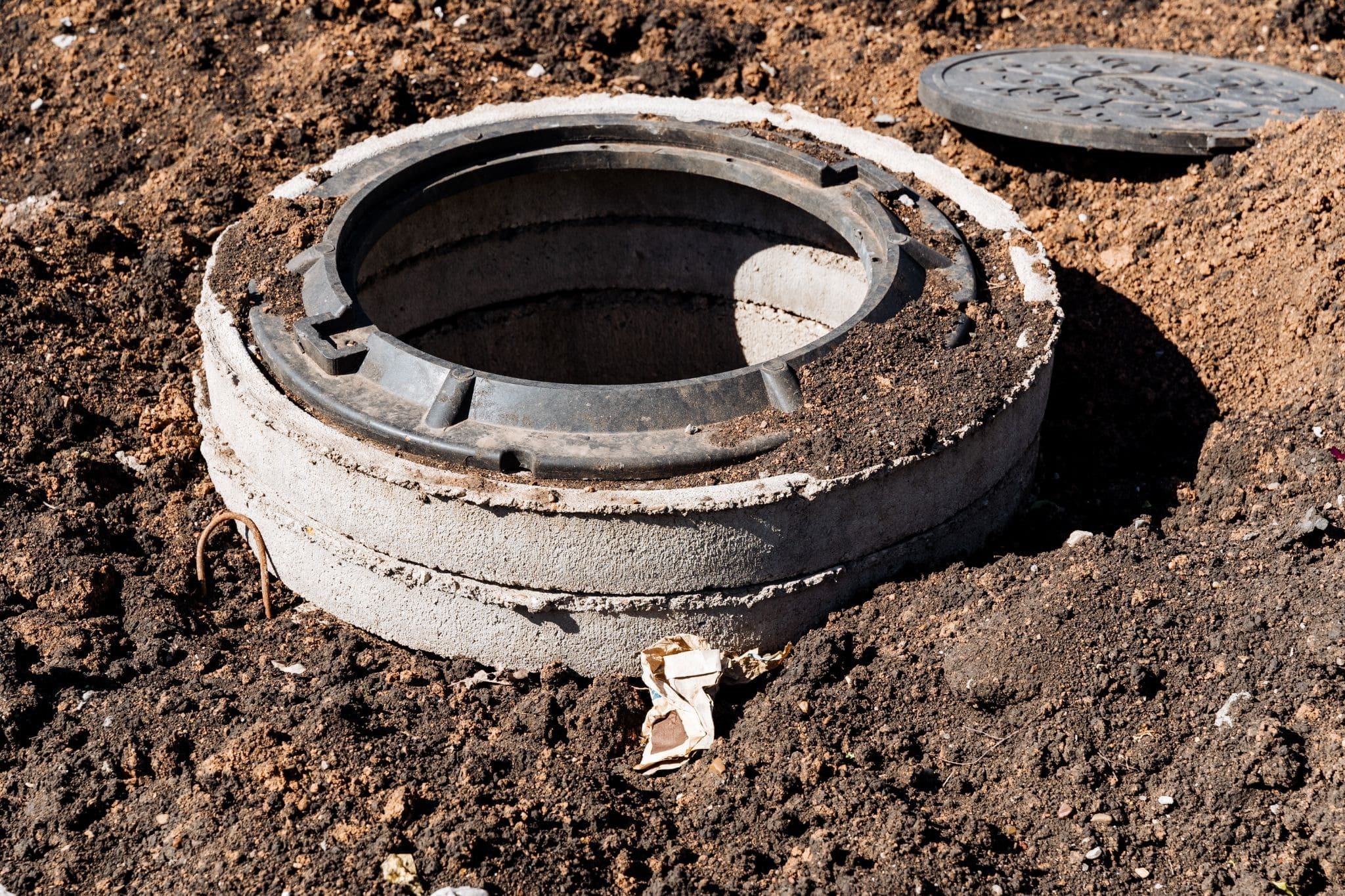
Sewage backs up into your house. Once the tank is full, wastewater goes back the way it came, usually up through your lowest drains first, a basement floor drain or a downstairs bathroom.
The drain field takes the hit. Untreated waste starts pushing into soil that was never built to filter solids. Once the drain field is clogged, pumping the tank doesn't fix it. You're now looking at a repair or a full replacement.
The bill grows at every stage. Pump it on schedule, and it's a routine service fee. Let it back up first, and you're paying for cleanup on top of that. Let it damage the drain field, and you're paying for a repair on top of both. Nobody saves money by waiting.
It's a genuine health hazard. Sewage carries bacteria that need real cleanup, not a mop and some bleach.
It can reach your water. On a well, which a lot of homes in St. Mary's County are, overflow can eventually work its way into groundwater. That's part of why county health departments regulate septic systems in the first place.
It damages the property around it. Standing wastewater and saturated ground aren't just ugly they can damage lawns, landscaping, and, in bad cases, structures nearby.
It shows up when you try to sell. Septic inspections are standard in real estate deals here. A history of backups or a failed drain field can stall a sale, kill it outright, or cost you at the negotiating table. Some lenders won't finance a home with a failed system until it's fixed.
How Often Should You Actually Pump It?
The generic answer is every 3 to 5 years. The real answer depends on:
- Household size — more people, more wastewater
- Tank size — older, smaller tanks fill up faster
- Water usage—heavy laundry or long showers speed things up
- Garbage disposal use — adds solids that don't break down easily
If you don't know your actual number, an inspection is cheaper than guessing wrong.
What Actually Prevents This
- Pump on schedule every 3 to 5 years, sooner for a smaller tank or bigger household
- Keep grease and oil out of the drain
- Skip "flushable" wipes; they don't break down like toilet paper
- Watch your water usage
- Get older systems inspected periodically
- Keep vehicles, equipment, and construction off the drain field
Why Cullison Excavating
We've worked on septic systems in Southern Maryland since 1962, providing pumping, repairs, inspections, and 24/7 emergency backup service for the tanks that have already gone too far. The pattern doesn't change: a routine pump-out stays cheap. A backup doesn't.
Bottom Line
A full septic tank is a maintenance problem right up until it's an emergency. Waiting doesn't make it go away; it just moves the cost further down the road and adds zeros to it. If you're already seeing one of the signs above, that's your answer.
Call Cullison Excavating, LLC, at (301) 994-1616 or request a free estimate. We serve Leonardtown, Lexington Park, California, Callaway, Mechanicsville, and the rest of St. Mary's County.
Frequently Asked Questions
How do I know if my septic tank is full?
Slow drains throughout the house, gurgling pipes, sewage odor, standing water or unusually green grass over the drain field, or any sign of backup. More than one at once is a strong signal.
What happens if a septic tank is never pumped?
Solids build up until the tank can't separate waste properly, which eventually causes backups and drain field damage.
Can a full septic tank damage the drain field?
Yes. Untreated solids move into the field and clog the soil, which can mean a full repair or replacement—not something pumping alone fixes.
How often should a septic tank be pumped?
Every 3 to 5 years for an average household. Household size, tank size, and water usage can shorten that.
Is pumping cheaper than repairs?
Yes, by a lot. Pumping is a fixed service fee. A backup or drain field failure stacks cleanup, repair, and, in bad cases, replacement costs on top of it.