

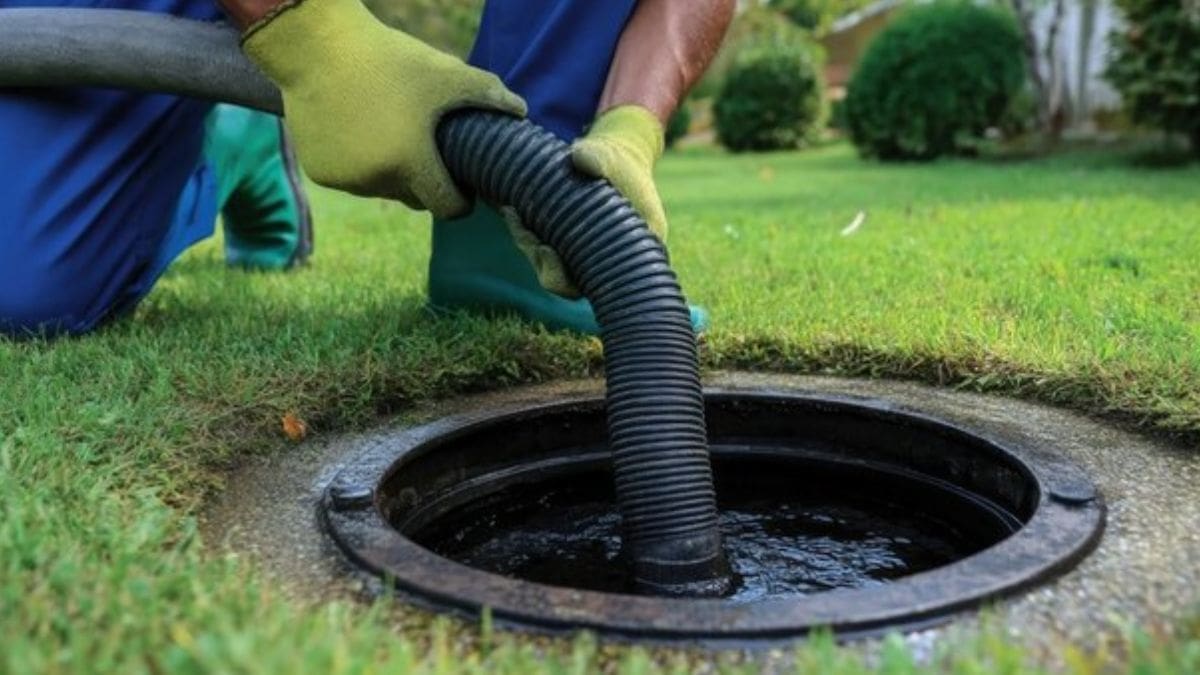
Your septic system works behind the scenes to process waste and keep your home healthy and safe. Because it is out of sight, it is easy to wait on maintenance until something goes wrong. Delaying service is a recipe for foul smells, backups, complete system failure, and costly repairs.
Table of Contents
The best first line of defense to avoid these disasters is routine pump-outs. Any month of the year can bring about the service, but there is a strong case for the entire month of June.
The month of June brings a lot of different advantages for homeowners. There is the benefit of good weather and the ability to prepare your system for increased use during the summer. Homeowners get a great opportunity to make sure that their septic system is working efficiently in the month of June. The purpose of this guide is to dive deeper into the advantages of pumping your septic tank and making maintenance a priority.
Importance of Pumping Your Septic Tank
With the separation system for both solid and liquid waste in the septic tank, over time the sludge and scum that accumulate become too full and overflow into the drain field. This causes major damage.
The routine pump-outs of your septic tank help to:
- Ensure that sewage doesn't back up into drains
- Improve the overall efficiency of your septic system
- Prevent odors from your septic system
- Protect both the groundwater and the environment
- Prevent costly repair
Septic maintenance is very important to prevent the need for extensive repair services to septic systems.
June Offers Ideal Ground Conditions
Ground conditions make the month of June a prime time for septic maintenance.
Summer can bring challenges to septic accessibility and scheduling. In winter, soil can freeze, making work and scheduling difficult. Spring just means heavy rains and saturated soil, making servicing your septic system challenging at best.
Soil and ground conditions are typically dry and stable come June. Professionals can much more easily access advanced conditions. Service technicians can locate your septic system, inspect it, and pump it much more easily.
Ground conditions during June also improve the chances that your landscaping and lawn remain intact after the service visit.
Get Ready for Increased Summer Traffic
Summer usually means a lot more people using your home's plumbing.
Septic systems see a lot of added burden from family gatherings and celebrations, house guests, and kids home from school, in addition to added wastewater from the system. All of this can lead to a rapid build-up of tank solids.
Scheduling a pump out during June helps get your system ready for the peak summer season.
A system pumped out during June now has the added capacity to help absorb the increased burden of wastewater over the peak summer season.
Avoid Unwanted Summer Crises
No one wants to have a failing septic system over the summer.
There is a lot of unpleasant and hazardous fallout from a septic system emergency during summer gatherings and heavy system use.
To help your system avoid a major failure, a preventative pump out during June is a great first step.
Technicians perform component inspections during routine maintenance and can identify problematic areas that require septic repairs.
Identify and Repairs Small Problems
An issue that usually arises is avoiding repairs that are quick to resolve but require maintenance to prevent costly repairs that are needed at a later time during the season.
Easier Scheduling and Faster Service
It is customary for homeowners to call a septic professional only after experiencing a problem. Because of this, service companies are inundated with greater demand in the summer and fall months.
Septic pump out scheduling should take place during the summer months. Time and labor fees associated with service are reduced if scheduling is completed during this time.
Scheduling in advance provides the following benefits:
- Time savings and efficiency to both parties.
- Improved reliability of service.
- Greater flexibility for scheduling.
- Less likelihood of needing an emergency service.
The septic drain field system will receive timely maintenance to prevent issues.
Protect Your Drain Field
The system drain field is the most critical and most costly component of the entire system.
Once the septic tank is full, the drain field becomes even more costly.
Once a drain field becomes full and a septic tank is full, it is costly to rehabilitate.
A routine pump-out prevents the fill drainfield from retaining filtration and ensures the drainfield remains less than full.
A June pump-out makes the system function optimally again after waste build-up is removed. Pumping waste also improves the efficiency of the system by allowing the wastewater to move through the system easier.
Efficiency also improves the overall performance of the system and helps to reduce the amount of maintenance needed.
Identify Potential Repairs Before They Escalate
Regular maintenance appointments do more than remove waste from the tank.
During a pump-out, technicians often inspect critical system components, including:
- Tank walls
- Baffles
- Distribution boxes
- Access risers
- Drain field performance
Early detection of cracks, leaks, or damaged components allows homeowners to schedule septic repair servicesbefore minor issues become major failures.
Preventive maintenance is typically far less expensive than emergency system replacement.
A Great Time for System Upgrades
June is also an excellent time to evaluate the overall condition of your septic system.
If your current system is aging, undersized, or experiencing recurring problems, it may be worth discussing future improvements with a septic professional.
In some cases, homeowners may benefit from expanded capacity, upgraded components, or complete septic installation services designed to meet current household needs.
Summer's favorable weather conditions often make it easier to plan and complete larger septic projects when necessary.
Signs Your Septic Tank Needs Pumping
There are several indicators your septic tank needs to be serviced, even if you are unaware of your last service date.
These indicators can include:
- Slow draining sinks and tubs
- Gurgling in your plumbing fixtures
- Sewage smell in your yard
- Water pooling over your drain field
- Tall, green grass over your septic tank
- Toilets that frequently back up
Contacting an expert septic service is the best way to minimize your septic system from failing.
How Often Should You Pump Your Septic Tank?
There are multiple things that impact how often you service your septic system. These include:
- The number of people in your home
- The size of your septic tank
- Your daily activities and how they impact your septic tank
- If you have a garbage disposal system
- If you have a garbage disposal system
Generally, you should have your septic tank pumped every 3-5 years, but if your household is larger than average, you may need to service your system more frequently.
A professional septic service can help you determine how frequently you should service your system.
Conclusion
June is an optimal month to help your septic system because of favorable weather for septic pumping. Scheduling your septic tank pump out during June will help avoid the demand of July and August and will protect your septic system and help improve the overall efficiency.
For all your routine septic servicing, repair, or installation needs, Cullison Excavating has a dedicated staff are professionals of choice for keeping your septic systems efficient.
Frequently Asked Questions (FAQs)
Why is June a good time for a septic tank pump-out?
The weather in June is a little better for doing this type of work. The ground is also a little easier to work, and homeowners are getting prepared for the heavy water usage of the summer.
How often should a septic tank be pumped?
This can be dependent on household size and usage but generally should be between 3 to 5 years.
What happens if I don't pump my septic tank?
Neglecting to pump your septic tank can cause backups and odors and damage your drain field, leading to repairs that cost a lot of money.
What are the signs my septic tank needs pumping?
Slow drains, odors are signs that sewage has backed up, and standing water.
Can a pump-out help prevent septic system repairs?
Sure. Routine pump-outs are meant to remove too much sludge. This helps to spot any issues that can be costly before they happen.