

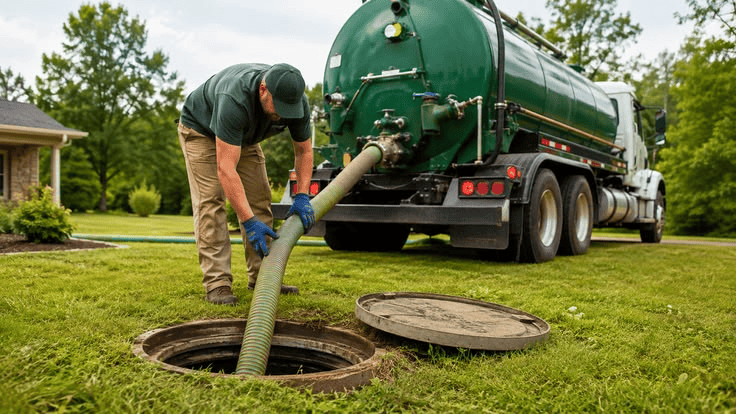
A gurgling toilet, a sewage smell, or wastewater pooling in the yard can turn an ordinary day into an emergency. Septic problems rarely fix themselves, and delays can mean property damage, health risks, and costlier repairs. That's why many homeowners search for Emergency Septic Service 24/7 at the first sign of trouble. Acting quickly protects your family and your property. This guide explains the warning signs, common causes, safe first steps, and how professionals handle a septic emergency from first call to final repair.
Table of Contents
What Is an Emergency Septic Service 24/7?
An Emergency Septic Service 24/7 provides urgent help when your system backs up, overflows, or stops working. Some providers offer 24-hour septic service, though availability varies. Typical services include pumping, inspection, cleaning, and repairs. Unlike routine maintenance, these calls address problems that can't wait for a regular appointment.
Call a professional right away if sewage is entering your home or pooling outdoors. Timely septic system inspections also help catch smaller problems before they become emergencies.
Common Signs You Need
Emergency Septic Tank Services
A septic tank emergency service call is usually warranted when you notice a septic system backup or other urgent warning signs, including:
- Sewage backing up into sinks, toilets, or drains
- Strong sewage odors around the property
- Wastewater pooling near the septic tank or drain field
- Multiple drains becoming slow or clogged
- Toilets overflowing or making unusual gurgling sounds
One slow drain may be a simple clog. Several problems at once, especially with odors or wet soil outdoors, usually point to the septic system rather than a single fixture.
What Causes Septic System Emergencies?
Most cases of septic system failure trace back to a few common problems. Understanding them helps you act quickly and avoid repeat emergencies.
Septic Tank Overfilling
When a tank isn't pumped on schedule, solids build up and push toward the drain field. This can lead to a septic tank overflow and clogged soil.
Blocked Pipes and Drain Lines
Grease, wipes, and roots can block inlet or outlet pipes, causing wastewater to back up into your home.
Damaged Septic System Components
Cracked tanks, broken baffles, failing pumps, or a saturated drain field can stop the system from treating wastewater properly.
What Should You Do During a Septic Emergency?
Fast, careful action limits damage. Before you call a 24/7 emergency septic service or arrange emergency septic repair, follow these steps:
- Stop using water and plumbing fixtures
- Keep children and pets away from contaminated areas
- Avoid contact with sewage and standing wastewater
- Do not attempt to open or enter the septic tank
- Contact a qualified emergency septic service provider
- Follow professional recommendations for inspection and repairs
Septic tanks can contain harmful gases and unstable lids, so leave the tank to trained professionals.
Professional Emergency Septic Services and Solutions
Professionals identify the cause first, then recommend the right fix. Here is what that usually involves.
Emergency Septic Tank Pumping
Emergency septic tank pumping removes built-up waste and can relieve backups. It works best when a full tank is the main problem. Septic pumping services and emergency septic cleaning may also clear debris from the tank.
Septic System Inspection and Diagnosis
Technicians check the tank, pipes, baffles, pump components, and drain field to find the source of the failure.
Emergency Septic Repairs
Pumping alone can't resolve every failure. Damaged pipes, broken components, or drain field problems may need repair or replacement.
How to Prevent Future Septic System Emergencies
A few habits make septic system failure less likely:
- Schedule routine septic inspections
- Pump the septic tank when recommended
- Avoid flushing wipes, grease, and non-biodegradable materials
- Repair leaking plumbing fixtures
- Protect the drain field from vehicles and heavy equipment
- Address early warning signs promptly
Routine septic pumping services are easier to plan than an emergency, and consistent upkeep helps you spot trouble while it's still small.
Frequently Asked Questions
What qualifies as a septic tank emergency?
Sewage backing up into your home, overflowing toilets, or wastewater pooling outdoors qualifies. Strong sewage odors combined with multiple slow drains also warrant immediate professional attention to prevent health risks and property damage.
Can I get emergency septic service at night or on weekends?
Some providers offer around-the-clock service, including nights and weekends, depending on availability. Ask a local provider about current hours and response times before an emergency happens, so you know who to call.
How much does emergency septic tank pumping cost?
Costs depend on location, tank accessibility, service timing, and the severity of the problem. Request a quote from a local provider and ask exactly what it includes before approving any work.
What should I do if my septic tank overflows?
Stop using water, keep people and pets away, avoid contact with wastewater, and don't open the tank. Then call a qualified septic professional for help right away.
Can emergency septic pumping fix a sewage backup?
Sometimes. Pumping can relieve a backup caused by a full tank, but blocked lines, damaged components, or drain field problems need diagnosis and repair before the problem is truly resolved.
Get Reliable Emergency Septic Service 24/7
Prompt action protects your home, your family, and your property. If you notice backups, overflows, or strong odors, don't wait. Contact our team today to ask about septic tank emergency service options and current availability for your Emergency Septic Service 24/7 needs.