

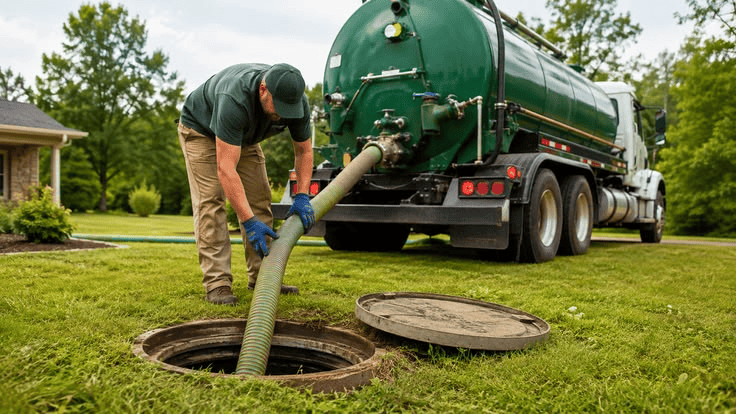
Most homeowners don't think about their septic tank until something goes wrong. Then comes the awkward question: where is it? A septic tank location service takes the guesswork out of that moment. Trained technicians use records, electronic equipment, and careful observation to find a buried septic tank without tearing up your yard. Knowing exactly where it sits makes pumping, repairs, and inspections far easier. This guide explains how professionals do it, when you might need help, and what you can safely do first.
Table of Contents
What Is a Septic Tank Location Service?
A septic tank location service pinpoints where your tank sits, and often where its lids and connecting lines are too. Many septic tank locating services also mark the spot on the ground or record it on a site sketch for future reference. Some providers pair locating with septic system mapping, so you know where the tank and drain field are. Homeowners usually need this when they have no records, bought an older property, or need to schedule pumping or repairs.
Why Is It Important to Locate Your Septic Tank?
Knowing where your tank is makes septic system maintenance simpler, because crews can reach the lid quickly instead of searching your yard. It also matters before renovations. Driveways, patios, additions, and pools should never sit on top of a tank or its lines. Landscaping carries risks too, since digging or planting deep-rooted trees nearby can damage pipes. Heavy vehicles can crack a buried tank or collapse its lid. If you need to find a buried septic tank before a sale or project, septic tank inspection services can work faster and more safely.
How Do Professionals Locate Underground Septic Tanks?
Methods vary by contractor and property, so there's no single standard toolkit. Still, a professional septic tank locator usually combines a few approaches, depending on the site.
Reviewing Property Records and Septic System Plans
Technicians often start with paperwork. County health departments or permitting offices may hold permits, as-built drawings, or septic system plans showing the tank's approximate position. These records aren't always complete or current, so they serve as a starting point.
Using Electronic Locating Equipment
For underground septic tank locating, some professionals place a small transmitter in the plumbing and trace its signal from above ground. Others use metal detection for lids or risers, or ground-penetrating radar when conditions allow. Equipment choice depends on soil, tank material, and site conditions.
Inspecting the Property and Identifying Septic Components
Visual clues help. Technicians check where the main sewer line leaves the house, look for vent pipes or access lids, and note ground dips or unusually green patches. Gentle probing may confirm the tank's edges.
Signs You May Need Septic Tank Detection Services
You may need septic tank detection services when the tank's position is unclear and work is coming up. Common situations include:
- You can't find the lid or access point
- You inherited or bought a property without records
- You plan to dig, build, or install a pool
- You're scheduling a first pump-out or sale inspection
- You notice soggy spots, slow drains, or odd odors
- Old records don't match what you see in the yard
If septic tank access points are buried under soil or landscaping, a professional can often locate them with minimal digging.
Can You Locate a Septic Tank Yourself?
You can take a few safe preliminary steps. Look through closing documents, property records, or old permits for a septic diagram. Check where the main drain line exits the house, and note any vent pipes or lids already visible. Those clues are the first step in learning how to locate a septic tank. However, don't dig for the tank or open a lid yourself. Septic tanks contain hazardous gases, and a damaged or unstable lid can cause serious injury. When records come up empty, call a professional.
Benefits of Hiring Professional Septic Tank Locating Services
Professional septic tank locating services offer practical advantages, though results vary by site.
- Accuracy: a trained professional septic tank locator can often find the tank in less time than guesswork
- Convenience: less digging and less yard damage
- Safety: technicians know how to work around tanks, lines, and utilities
- Maintenance planning: marked locations make septic system maintenance and pumping smoother
An organized locate gives you reliable information for planning repairs and renovations.
Conclusion: Schedule a Professional Septic Tank Location Service
A reliable septic tank location service helps you protect your property, plan maintenance, and avoid costly surprises. Whether you're preparing for a renovation, a pump-out, or an inspection, knowing exactly where your system sits saves time and stress. Contact a qualified septic professional today to schedule a septic tank location service and get your tank clearly marked. Accurate location information makes every future service visit easier.
Frequently Asked Questions
What does a septic tank location service include?
It identifies where your tank sits and usually marks it so you can find it again. Depending on the provider, it may also include locating lids, risers, and connecting lines, plus a site sketch for your records.
How much does septic tank location cost?
Cost varies by provider, region, and property, so there's no single price. Ask for a written quote and confirm what's included. Factors that often affect the price:
Property size and terrain
Whether records already exist
The locating method required
Whether lids need to be exposed
Can a buried septic tank be found without digging?
Often, yes. Professionals can use records, electronic tracing, and gentle probing to find the tank with little or no excavation. Some digging may still be needed to expose the lid for pumping or inspection.
How deep is a septic tank buried?
It varies, but many tanks sit anywhere from a few inches to a few feet below the surface. Depth depends on system design, local conditions, and past landscaping changes, which is why a professional locate is more reliable than guessing.
What if I have no septic records?
You can still get your tank located. Professionals can trace your plumbing, inspect the property for vents and access points, and use locating equipment. It also helps to ask your county health or permitting office whether old permits are on file.
Is it safe to open a septic tank lid myself?
No. Septic tanks can release hazardous gases, and lids may be heavy or unstable. Leave opening and inspection to trained professionals, and be cautious around any area where you suspect a tank.
Need Help Locating Your Septic Tank? Contact Us Today!
Don't let a hidden septic tank delay your maintenance or repairs. Our professional Septic Tank Location Services help you accurately locate underground septic tanks, saving time and preventing unnecessary digging. Whether you need an inspection, maintenance, or septic system repairs, our team is here to help.
Contact us today to schedule your septic tank locating service and keep your septic system running smoothly!