

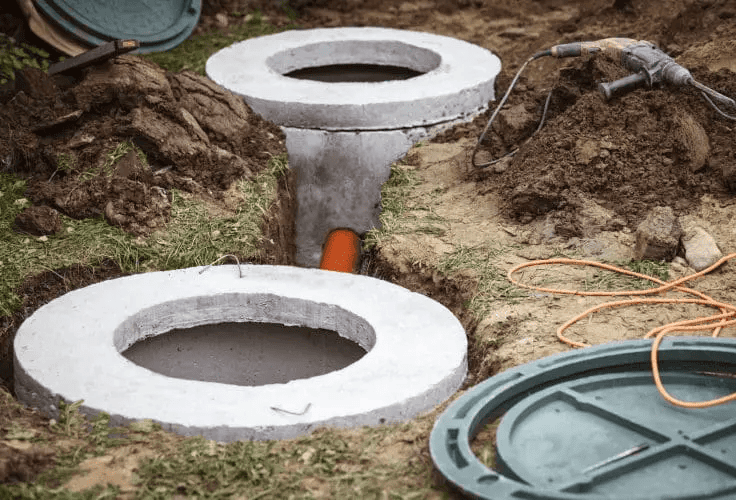
Most homes in St. Mary's County run on septic, not city sewer. Leonardtown, Lexington Park, CA, MD—the same story everywhere. And most people don't think about their tank at all until a Saturday morning shower turns into a mess on the bathroom floor.
Table of Contents
By then it's not a maintenance job anymore. It's a cleanup job.
Here's what actually causes a tank to fill up, the warning signs people usually miss (or explain away), and where the line is between "keep an eye on it" and "call someone today."
Why Tanks Fill Up Faster Than People Expect
A septic tank holds three layers: solids that sink (sludge), liquid in the middle, and grease/oil that floats on top (scum). Bacteria break down the sludge over time, but not fast enough to keep up with what a normal household sends down the drain. Solids build up. Eventually there's not enough room left for wastewater to separate properly before it heads out to the drain field.
A few things make this happen faster around here specifically:
- More people in the house than the tank was built for. A lot of older homes in this area have smaller tanks that were sized for a family half the size of who's living there now.
- Garbage disposals. They send solids into the tank that don't break down the way toilet paper and regular waste do.
- Soil conditions. Parts of Southern Maryland have a high water table and clay-heavy soil, which slows drainage and puts more strain on the whole system.
None of this is a defect. It's just how septic systems work, which is exactly why regular pumping isn't optional; it's math.
The Signs Your Tank Is Full (Or Close To It)
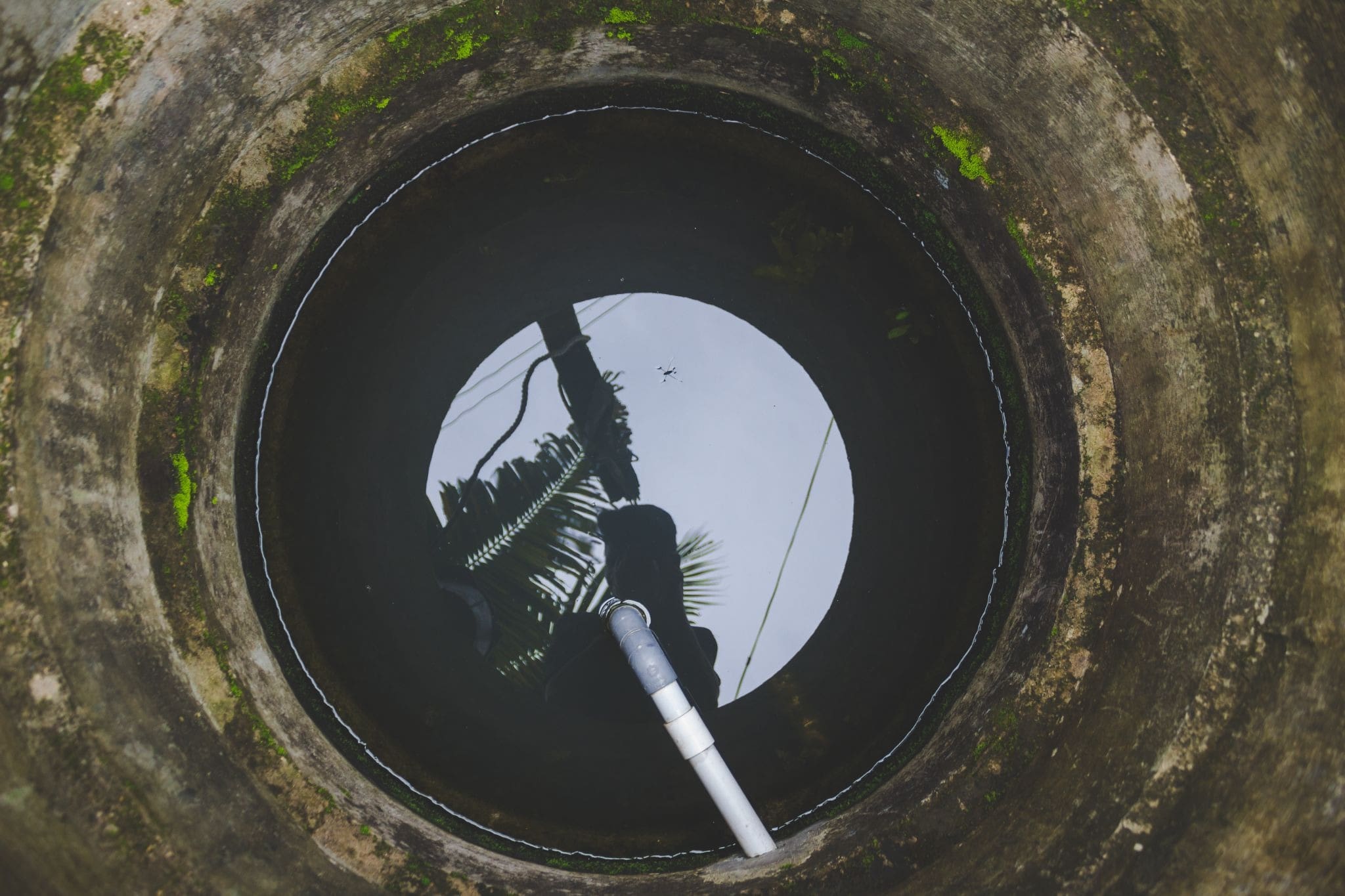
Slow drains — all of them, not just one. One slow sink is a clog. Slow drains in the kitchen, bathroom, and laundry at the same time are the tank telling you something.
Gurgling from pipes or toilets. That gurgle after a flush or a weird noise from the drain when the washer runs—that's air getting trapped because wastewater has nowhere to go.
Sewage smell inside or outside. An overloaded tank can't process waste as fast as it's coming in, and gas escapes. Smell it near the tank lid, over the drain field, or near a floor drain? Don't wait on that one.
Soggy, extra-green patches over the drain field. If the grass over your tank or drain field is greener and spongier than the rest of the yard, especially when it hasn't rained, that's liquid surfacing instead of draining into the ground like it should.
Actual backup. Wastewater coming back up into a tub, shower, or toilet means the system is already overwhelmed. This isn't a "schedule it for next week" situation. It's an emergency.
You genuinely don't remember the last time it was pumped. No symptoms yet doesn't mean nothing's wrong. If you can't remember your last pumping, or you bought an older home and have no records, that's reason enough to get it checked.
So When Should You Actually Pump It?
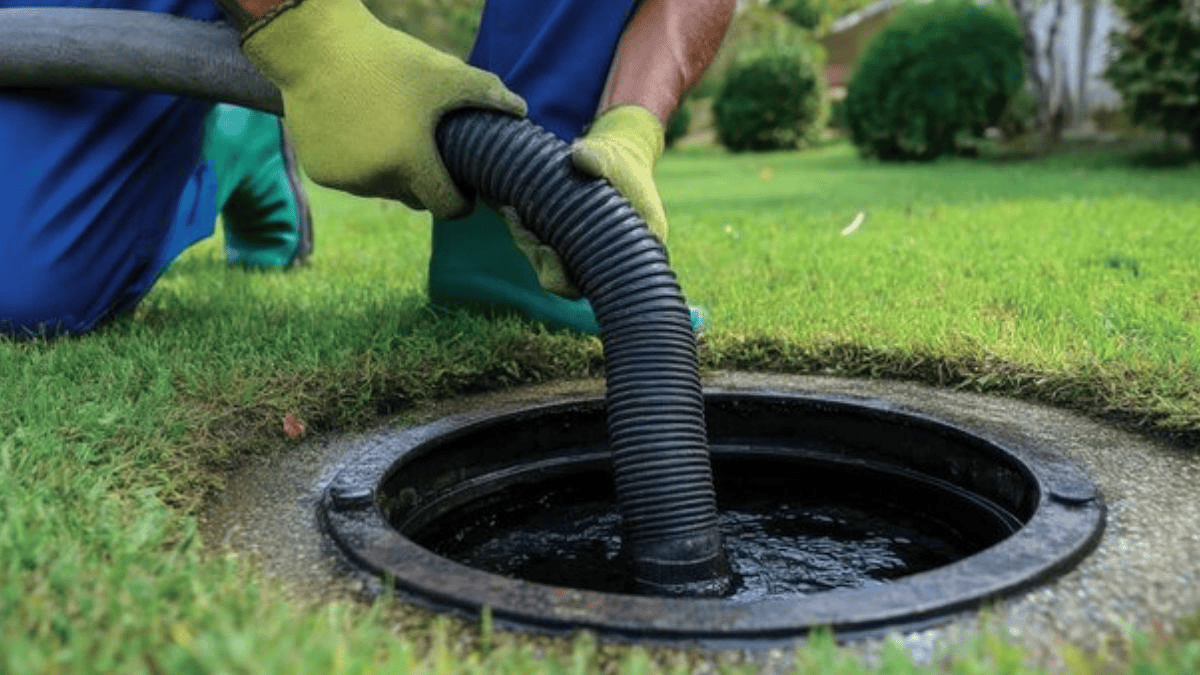
The standard advice is every 3 to 5 years for an average household. But "average" is doing a lot of work in that sentence. A bigger family, a garbage disposal, or an undersized tank can cut that down to every 2 to 3 years pretty easily. The only way to know your real number instead of guessing from a number you read online is an inspection.
Why an Inspection Beats Guessing
Warning signs tell you something's wrong. An inspection tells you what and how bad. A technician checks the sludge and scum levels, looks for cracks or roots that have worked their way into the tank, and checks whether the drain field is still actually absorbing water or just holding it. If you're buying or selling a home in St. Mary's County, this matters even more; septic condition can make or break a deal.
When to Stop Waiting and Call Someone
Call now, not next month, if you're seeing the following:
- Multiple slow drains at the same time
- Sewage smell indoors or near the tank
- Soggy or unusually green ground over the drain field
- Gurgling pipes
- Any actual backup
Here's the honest math on waiting: a pumping job that gets ignored can turn into a drain field repair, and a drain field problem that gets ignored can turn into a full system replacement. The cost goes up at every stage you skip.
Cullison Excavating, LLC — Septic Services in St. Mary’s County
We've been doing this in Southern Maryland since 1962, with licensed installers certified in sand mound and BAT systems. Routine pumping, full inspections, or a same-day backup—we know the soil, the permitting, and the systems specific to this county because we've been working in it for decades.
If any of this sounds familiar, don't wait for the backup to confirm it. Call Cullison Excavating, LLC, at (301) 994-1616 or request a free estimate online. We serve Leonardtown, Lexington Park, California, Callaway, Mechanicsville, and the rest of St. Mary's County.