
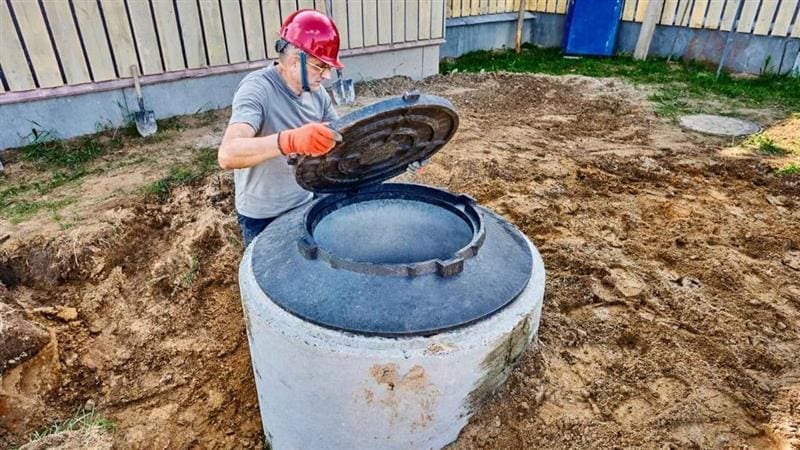
Your septic system is not just a drain, it's the backbone of the wastewater management system in your home. You can be a new homeowner or you may need to refresh your memory on the maintenance of the septic system, this guide is your one stop shop to all the information that you need. At Cullision excavating, we believe that a properly maintained septic system is not only a matter of ensuring that your pipes run well enough but also a matter of safeguarding your home, your health and your environment.
Table of Contents
About Septic System
The septic system is an important component of domestic and commercial wastewater treatment that is not connected to a sewer. The septic system is used to treat and dispose of toilet water, sink water, shower water, and washing machine water. These are made of two parts, which include the septic tank and the drain field. When it comes to the decision to install a new system or the advice on how to maintain the current septic system, it is paramount to understand how the systems of septic work and what problems are likely to occur to guarantee the systems are efficient and have an extended life.
Septic Systems: How they Work
Septic systems are designed to separate the solids and liquids in domestic waste water in a septic tank which is designed to undergo the decomposition process by natural bacteria. The liquid is then pumped to a drain field where it is filtered and purified and then released to the environment. The simplified outline of the process is as follows:
1. Wastewater is redirected into the septic tank
Every water at your house such as wastewater at the bathrooms, kitchen, and even laundry flow into the septic tank.
2. Separation and Treatment
The wastewater is divided into three layers in the septic tank:
- Scum (rises to the surface)
- Effluent (mid liquid layer)
- Sludge (settlements at the bottom)
- The tank contains bacteria that are useful in degrading solid wastes into liquid.
3. Effluent into Drain Field
The effluent or the treated liquid is pumped into the drain field using a pipeline system. The drain field soil also filters and purifies the effluent and the effluent drains into the ground water.
What Type of Septic System to Use in Your Property
In the case of onsite wastewater treatment, there is no universal size. Septic systems are available in various varieties, which suit various soil conditions, domestic requirements, local standards and environmental issues. The knowledge of the alternatives enables you to make the most optimal decision in terms of performance and long term value of your home.
At Cullision Excavating we deal with septic systems installing, maintaining, and optimizing the septic systems of any kind and therefore you are supplied with a system that is built to last and one that fits your property.
Complete Septic System Options
1. Septic Tank System
A traditional septic tank is the basis of the majority of septic systems and serves to receive wastewater that is produced by your house, in which the solids will settle and the lighter material will be able to float. The semi-treated liquid is then discharged to a drainfield where it is further purified.
2. Conventional Septic System
A traditional system is used to integrate a septic tank with a drainfield made of stone or gravel. The effluent is directed to the trenches where it naturally percolates into the soil and it is therefore treated before being discharged back to the ground water.
3. Chamber System
A drainfield that is modernized with an upgrade of the traditional one is a chamber system that involves the use of buried chambers instead of gravel. This increases efficiency in installation and less impact on the environment and it can perform very well even in adverse conditions.
4. Drip Distribution System
This new alternative is used to spray wastewater near the ground surface by using a set of drip lines. It involves less excavation and it is effective in areas where standard trenches cannot be used.
5. Aerobic Treatment Unit (ATU)
The aerobic system injects oxygen into the treatment process in a manner of a miniature wastewater plant providing better quality effluent and better performance, even in problematic locations.
6. Mound Systems
In deep soils or where the water table is low then a mound system is used to raise the drainfield on an artificial sand mound. The tank wastewater is pumped into the mound to increase its treatment and dispersal.
7. Recirculating Sand Filter System
This is a high-tech system, which pumps effluents through filter media (such as sand) and then disperses, which also introduces an additional level of treatment and considerably enhances the quality of the effluents.
8. Constructed Wetland System and Evapotranspiration
These special systems process wastewater in special conditions, which involves evaporation and filtration by plants and thereafter the treated effluent is evaporated or released to the ecosystem.
9. Cluster & Community Systems
In the case of neighborhoods or business developments, shared treatment, or cluster systems offer scalable wastewater treatment with no requirement to have access to centralized sewerage infrastructure.
Choosing the correct Septic System
The choice of the most suitable septic system is determined by various variables which include type of soil, size of the lot, size of the household and environmental policies. Our team is doing brilliantly there. We:
- Carry out site analyses.
- Recommend systems that can provide performance in the long run.
- Install accurately and in accordance.
- Offer continuous maintenance to be on the safe side.
It does not matter whether you are creating a new house, renovating an already existing system, or simply require professional advice, Collusion Excavating.
Septic System Maintenance: The Key to Prolonged Life
Regular maintenance is essential to keep the cost of repairing them down to a minimum and to maintain the best performance level. By adhering to these best practices, you will increase the life of your septic system, and avoid avoidable damage:
1. Septic tanks should be pumped regularly
Your septic tank should have its solid waste pumped out; this must be after every 3 to 5 years. Otherwise, it may cause clogging of pipes and failure of the system.
2. Be Conscious of Water Consumption
Backups can be caused by overloading your septic system in order to use too much water. Wash clothes in small batches, install water-efficient appliances, and seal any leakages in your system to minimize pressure on the system.
3. Use Septic-Friendly Products
The use of harsh chemicals and antibacterial soaps should also be avoided since it will kill the bacteria in the septic tank that is vital in the breakdown of waste.
4. Do Not Overload the Drain Field
The drain field should never be parked on or driven over since this will compact the soil and destroy the system. Make the area clear of roots that may cause blockage to the pipes.
Why Maintain Your Septic System: Home, Health and Environment Protection
Septic system maintenance is not only a way to ensure that your plumbing is in the proper state, but also to keep your home, family, and environment safe. This is the reason why it is necessary to maintain your system:
Avoid Costly Repairs
General septic system maintenance tips will ensure that minor challenges do not translate into expensive challenges. By pumping your septic tank, inspecting it to check any leaks, and ensuring that the tank is operating well, thousands of dollars will be saved on repair.
Make sure that the wastewater is treated properly
A properly-maintained septic system is efficient in breaking and treatment of wastewater. And even in the absence of maintenance, the system may clog or malfunction, resulting in spillage of untreated wastewater into your yard or other water bodies in your area.
Market Long-Term System Health
Proper maintenance is a guarantee that your septic system can last several years. When well maintained, any system will serve longer and will not require early replacement making the waste disposal process of your household run well.
Guarantee Your Property Value
A properly kept septic system would be a home asset. A well functioning septic system offers peace of mind to the potential buyers and in addition value to your property when selling your property.
Resolving Systems Breakdowns: Rapid Response to a Healthy System
You should take immediate action in case of malfunction of your septic system. Waiting to make the septic repairs may lead to massive destruction and health risks. The following are some of the problems that should be resolved:
1. Signs of Malfunction
Pay attention to warning signs such as slow drains, foul odors, standing water on the drain field, or backups in your home. These could indicate a problem with your septic system that requires immediate attention. For more details, check out Signs Your Septic System Needs Attention.
2. Call a Professional
In case of any evidence of malfunction, it is vital to contact a septic specialist immediately. An experienced specialist can also identify the problem and prescribe the most reasonable course of actions, be it a mere cleaning procedure or a more serious repair.
3. Do Not DIY
Although the idea of trying to remedy the situation may seem appealing, septic systems are complicated, and self-repairing may cause an even greater complication. Always involve professionals with the relevant tools and expertise to solve problems conveniently and safely.
4. Common Problems
Such problems as pipes that are clogged, full septic tanks, or broken drain fields can be easily resolved with the assistance of a professional. The timely intervention will reduce the inconveniences to your home and avoid additional damages to the system.
Effects on Water Sources: How to Preserve the Most Precious Resource
A faulty septic system can be disastrous to the local water sources. Failure to treat waste water may lead to contamination of valuable water resources such as rivers, lakes and ground water due to leakage into them. This is how the improper maintenance of the septic system may have an effect on the water sources:
Pollution of Drinking Water
Leaks of untreated wastewater in your septic system may contaminate the surrounding wells and ground water sources. This may contribute to the entry of harmful pathogens, bacteria, and chemicals to the water, which is extremely dangerous to the health of your family and neighbors.
Local Ecosystems Pollution
Contaminated water sources may be disastrous to the immediate ecosystem. Untreated wastewater discharge may destroy aquatic life, cause disturbance to the habitats and degrade the recreational facilities such as lakes and rivers.
Public Health Hazards
Polluted water may result in water borne diseases like gastrointestinal diseases, hepatitis and cholera. Sepsis protection will ensure that the local water sources are not polluted and that the health of the population is not compromised.
Environmental Responsibility
Sufficient maintenance of your septic system is not only a matter of ensuring the safety of your home, but also one of the ways of taking care of the environment. Your system will keep you polluted, and you will help to preserve what nature provides to us all.
Typical Septic system problems and Trouble shooting
Septic systems may not be completely maintained, although they may develop problems with time. It is possible to identify the signs of trouble at its initial stages and prevent expensive repairs. The following are the most prevalent issues with a septic system and their trouble-shooting:
Sluggish Toilets and Drains
The plugging of the pipes or a complete septic tank can lead to slow drains or a poorly flushing toilet. This is because when the water is not draining correctly, then you need to have your system checked.
Unpleasant Odors
Bad odors emanating in your septic tank or drain field would be an indicator of a possible backup. This turns out to be common when the tank is overfilled and the waste must be emptied.
Wet Spots or Standing Water
In case you find water pools or wet areas around the drain field or the septic tank, this may be a sign of leakages or the system being faulty. It is not draining the effluent, which can be a job of a professional.
Over the Drain Field Lush Grass
In case the grass on the drain field is unusually green and lush, it can be the indicator of the leak of a septic system. A lot of the moisture of the effluent may lead to the vegetation growing in one area.
Backups in the Home
The worst thing that may occur is wastewater overflowing into the plumbing of your home. It can be a sign of a serious obstruction of the septic tank or drain field. Professional assistance is required to avoid further damage in the near future.
How to prevent the occurrence of Septic System failures
Although certain problems cannot be avoided, the majority of the failures in the septic system can be prevented by the following steps:
Proper Disaster of waste: Do not flush down the toilet non-biodegradable waste such as wipes, feminine hygiene products or paper towels.
Check Water Consumption: Do not overwork the system with too much water consumption. Adopt water conservation measures such as high efficiency gadgets.
Frequent Inspections and Pumping: Have a professional carry out regular inspections to identify and solve minor problems to prevent them from turning into major problems.
Select Septic-Safe Cleaning Products: Select environmentally friendly, septic-safe cleaning products to maintain the equilibrium of useful bacteria in the tank.
Why Choose Us for Your Septic System Needs?
Professional Technicians: Our staff is experienced over years and has a good understanding of the septic systems.
Fast & Quality Service: We have fast and immediate response time so that your system is restored to optimum performance within any time.
Eco-Friendly Solutions: We are concentrating on sustainable and environmentally-friendly approaches of sustaining and fixing your system.
Reasonable Prices: We do not need to charge enormous prices because we offer quality service at affordable prices.
Backups in the Home
The worst thing that may occur is wastewater overflowing into the plumbing of your home. It can be a sign of a serious obstruction of the septic tank or drain field. Professional assistance is required to avoid further damage in the near future.
Contact Us Today!
Act before it is too late! Professional attention to your septic system and its proper and efficient functioning by Cullision Excavating. Be it routine maintenance or septic inspection or an emergency repair, our crew is ready to assist you.
You can also book an appointment with us by calling us (301) 994-1616 or contact us by filling a form. Here is a good reason to leave your septic system to us and ensure that it continues running years to come!
Frequently Asked Questions (FAQs)
1. How Often Should My Septic Tank Be Pumped?
Septic tanks should be pumped every 3-5 years depending on usage. Regular pumping prevents clogs and costly repairs.
2. What Are Common Signs My Septic System Needs Service?
Look for slow drains, foul odors, standing water, or backups. These signs usually indicate the need for immediate professional service.
3. What Shouldn’t Be Flushed or Washed Into My Septic System?
Avoid flushing wet wipes, paper towels, chemicals, grease, and sanitary products to prevent clogs and system damage.
4. How Can I Protect My Drain Field From Damage?
Don’t park over your drain field, plant deep‑rooted trees nearby, or allow heavy equipment on it to avoid compaction and blockages.
5. Why Is Regular Septic Maintenance Important?
Regular maintenance keeps your system running smoothly, prevents expensive repairs, and protects the environment and water sources.