
A properly functioning septic system is essential for maintaining a clean, safe, and comfortable home environment. Yet many homeowners rarely think about their septic tank until problems arise, usually in the form of unpleasant odors, slow drains, or messy backups. Unfortunately, septic issues can quickly escalate into costly repairs and health hazards if ignored.
Table of Contents
The good news is that most septic problems are preventable. With consistent septic tank maintenance and routine septic inspection, homeowners can extend the life of their system, avoid emergencies, and keep wastewater flowing efficiently. In this guide, we’ll cover practical septic tank care tips that help prevent backups and odors while protecting your property and the environment.
Understanding How a Septic System Works
Before learning how to care for your septic system, it helps to understand the basics.
A septic system typically includes:
- Septic tank: Holds wastewater and separates solids from liquids
- Drain field: Filters and disperses treated wastewater into the soil
- Pipes and distribution system: Transport wastewater safely
Inside the tank, bacteria break down waste materials while solids settle at the bottom and oils float to the top. When maintenance is neglected, sludge builds up, causing clogs, backups, and foul smells.
Why Septic Tank Maintenance Matters?
Routine septic tank maintenance is not just about preventing inconvenience, it protects your home’s plumbing, groundwater quality, and overall property value.
Without proper maintenance, you may experience:
- Sewage backups inside the home
- Persistent outdoor odors
- Slow drains and gurgling pipes
- Contaminated soil or water sources
- Expensive system replacements
Regular upkeep ensures your system works efficiently and avoids unexpected emergencies.
Top Septic Tank Care Tips to Prevent Backups and Odors
1. Schedule Regular Septic Inspections
One of the most important steps homeowners can take is consulting with a professional septic inspection service provider. Experts evaluate sludge levels, tank condition, and drainage performance to identify problems early.
A professional inspection helps:
- Detect leaks or cracks
- Prevent overflow issues
- Ensure proper bacterial activity
- Extend system lifespan
Most homes should have a septic inspection every 1 to 3 years depending on usage.
2. Pump Your Septic Tank on Time
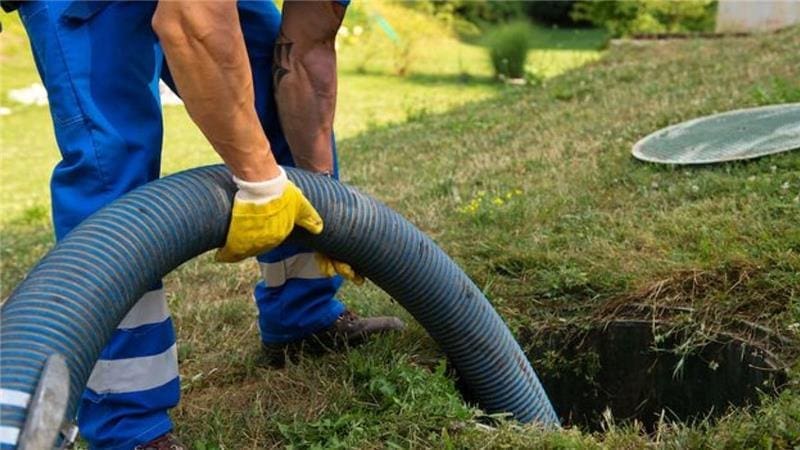
Even with healthy bacteria, solid waste accumulates over time. If pumping is delayed, sludge can enter the drain field and cause severe blockages.
General pumping guidelines:
- Every 3–5 years for average households
- More frequently for larger families
- Sooner if heavy water usage occurs
Routine pumping is a core part of effective septic tank maintenance and prevents unpleasant odors caused by overflow.
3. Be Careful About What Goes Down the Drain
Your septic system is not designed to handle everything.
Avoid flushing or draining:
- Grease and cooking oils
- Baby wipes or paper towels
- Feminine hygiene products
- Harsh chemicals or cleaners
- Coffee grounds and food scraps
These materials clog pipes and disrupt bacterial balance, leading to backups and smells.
Only flush human waste and septic-safe toilet paper.
4. Conserve Water Usage
Excessive water overwhelms septic systems, preventing solids from settling properly.
Simple water-saving habits include:
- Fixing leaking faucets and toilets
- Using high-efficiency appliances
- Spacing out laundry loads
- Installing water-saving fixtures
Balanced water usage allows your septic tank to process waste effectively.
5. Protect Your Drain Field
The drain field plays a critical role in wastewater filtration. Damage to this area often causes odors and surface pooling.
Protect it by:
- Avoiding vehicle parking or heavy equipment
- Keeping trees and large roots away
- Directing rainwater runoff elsewhere
- Planting only grass or shallow-root plants
A healthy drain field ensures proper wastewater absorption.
6. Use Septic-Safe Cleaning Products
Harsh chemicals kill beneficial bacteria inside the tank, slowing waste breakdown.
Choose:
- Biodegradable cleaners
- Septic-safe detergents
- Natural cleaning solutions when possible
Maintaining bacterial balance is essential for odor prevention.
7. Watch for Early Warning Signs
Recognizing problems early can save thousands in repairs.
Common warning signs include:
- Slow-draining sinks or tubs
- Sewage odors indoors or outdoors
- Gurgling plumbing sounds
- Wet or soggy yard areas
- Unusually green grass near the drain field
If you notice these symptoms, schedule a septic inspection immediately.
8. Avoid Additives That Promise Quick Fixes
Many septic additives claim to eliminate pumping needs, but most systems already contain natural bacteria.
Overuse of additives can disrupt system balance or push solids into the drain field. Professional septic tank maintenance is always more reliable than chemical shortcuts.
9. Maintain Accurate Maintenance Records
Keeping records of pumping, repairs, and inspections helps professionals evaluate system performance and plan future service.
This also increases property value if you decide to sell your home.
Long-Term Benefits of Proper Septic Care
Consistent septic tank maintenance provides several long-term advantages:
1. Prevents Costly Repairs
Routine care is far cheaper than replacing a failed system.
2. Eliminates Odors
Proper bacterial activity reduces unpleasant smells.
3. Protects the Environment
Well-maintained systems prevent groundwater contamination.
4. Improves Plumbing Performance
Efficient waste flow keeps drains working smoothly.
5. Extends System Lifespan
A maintained septic system can last decades.
How Professional Septic Services Help?
While homeowners can follow good habits, professional expertise is essential for long-term reliability. Specialists use advanced tools to inspect underground components and ensure proper system operation.
Professional services typically include:
- Comprehensive septic inspection
- Tank pumping and cleaning
- Drain field evaluation
- Leak detection
- Preventive maintenance planning
Working with experienced professionals ensures problems are resolved before they become emergencies.
Conclusion
Preventing septic backups and odors doesn’t require complicated solutions, just consistent care and proactive planning. By prioritizing regular septic tank maintenance, scheduling routine septic inspection, and adopting responsible household habits, homeowners can keep their septic systems running efficiently for years.
Ignoring maintenance may lead to unpleasant smells, property damage, and costly repairs, but small preventative steps make a significant difference. Investing in professional service ensures your system remains reliable, safe, and environmentally responsible.
For dependable septic solutions and expert excavation support, Cullision Excavating provides professional services designed to keep septic systems functioning properly while helping homeowners prevent backups, odors, and long-term drainage issues.
Frequently Asked Questions (FAQs)
1. How often should septic tank maintenance be performed?
Most septic tanks require maintenance and pumping every 3–5 years, though frequency depends on household size and water usage.
2. Why is a septic inspection important?
A septic inspection identifies potential problems early, preventing backups, system failures, and expensive repairs.
3. What causes septic tank odors?
Odors usually result from overfilled tanks, clogged pipes, damaged drain fields, or lack of maintenance.
4. Can excessive water use damage a septic system?
Yes. Too much water prevents proper waste separation and can lead to backups or drain field failure.
5. Are septic additives necessary for maintenance?
In most cases, no. Regular pumping and professional maintenance are more effective than chemical additives.