

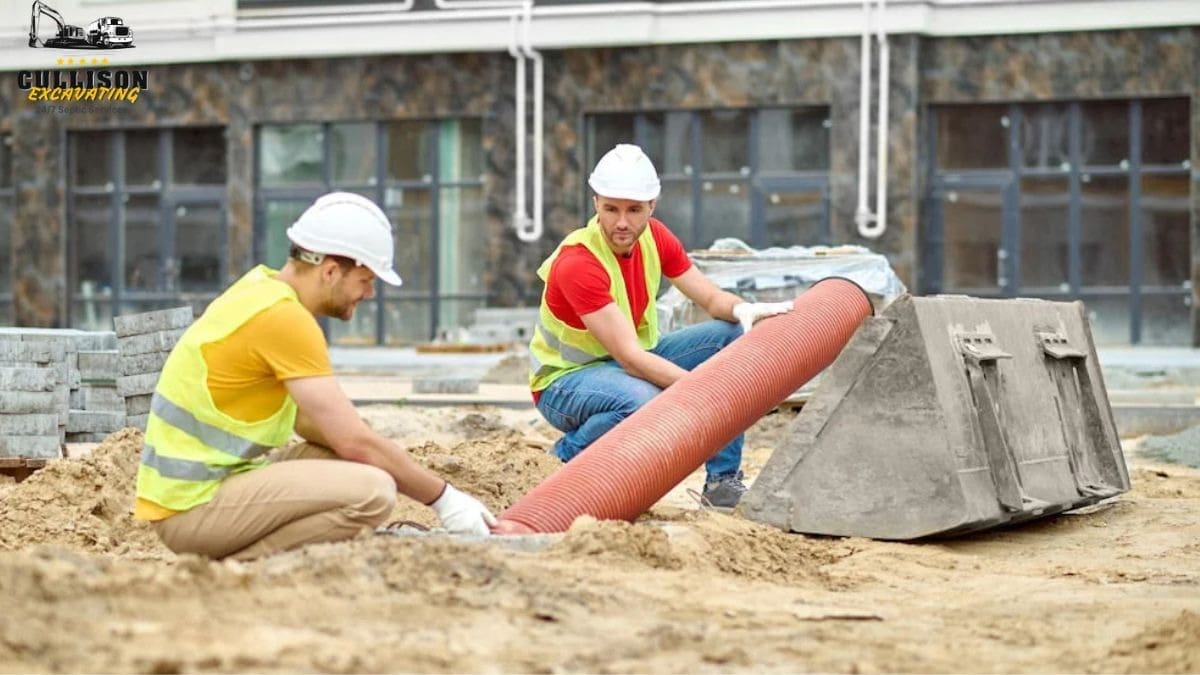
The construction of a septic system is an important investment in properties that are not linked to the sewer system of a municipality. A standard and designed septic system will provide proper management of wastewater, guaranteeing environmental security and increase long-term value to your house. As a contractor or as a homeowner, knowing how it works can save you money and time by preventing expensive mistakes and will make sure that your home meets the local rules.
Table of Contents
This guide provides a step-by-step approach to the successful septic installation service, including planning and final septic inspection.
1. Site Assessment and Soil Test
The initial and indeed the most important thing to do in any septic installation is site evaluation. This includes determination of soil structure, drainage and property plan. A percolation test will be performed by a professional to ascertain the absorptiveness of the soil in regard to water. Draining soil may result in the failure of the system that is too fast or too slow. Soil that is heavy in clay may need other systems whereas sandy soil may need more filtration.Key considerations include:
- Proximity to water bodies such as wells or streams.
- Topography and altitude of the land.
- Property size and layout.
2. System Design and Permits
After approval of the site, the second thing to do is to design a septic system that suits the requirements of your property. This involves the size of the septic tank to be used and the drain field to be laid out.A typical system consists of:
- Septic tank.
- Distribution box.
- Drain field.
The construction should be in accordance with the local health and environmental laws. You will have to first get clearance with the relevant authorities. The use of a licensed septic installation service provider simplifies this process because they are also aware of local code and requirements.
3. Excavation and Sitework Preparation
When permits are received, excavation starts. The septic tank and the drain field are dug with the help of heavy equipment.During this phase:
- Excavation of the tank area is done to the right depth.
- Pipes and drainage are excavated in trenches.
- The floor is flattened and ready.
4. Installing the Septic Tank
The heart of the system is the septic tank. It receives wastewater in your house and filtrates solids and liquids.Steps involved:
- Incineration of the tank in the hole that is dug.
- Linking outlet pipes and inlet pipes.
- Ensuring the tank is level.
5. Drain Field Installation
The drain field is tasked with the function of filtering and recycling treated wastewater into the soil.This step includes:
- Installation of perforated pipes in trenches.
- Inserting fibrous layers of gravel or sand to filter.
- Covering the system with soil.
6. Connection Testing and Systems Testing
After the tank and the drain field have been built the system is linked to the plumbing in your home.This stage involves:
- Connecting houses to pipes that lead to the septic tank.
- Looking after perforations or obstructions.
- Turning on water into the system to check functionality.
7. Final Approval and Inspection
The system needs to exclude a final inspection by the local authorities before it becomes operational. This is to ensure that the installation process is up to all safety and environmental standards.
Inspectors will check:
- Position and connections of tanks.
- Designing and instalment drain field.
- Overall system compliance
- Your septic system is good to go once it gets approval.
8. Maintenance Planning
An effective septic installation does not conclude at the installation, but it also needs maintenance to work effectively.
Some of the key maintenance methods are:
- Pumping of the septic tank after every 3-5 years.
- Disposed non-biodegradable stuff should be avoided.
- Saving water to avoid congestion.
- Consistent testing to identify the problems at an early stage.
Adequate maintenance preserves the life of your system and saves you the expensive repair expenses.
Common Mistakes to Avoid
With professional assistance, it is necessary to remember about the pitfalls:- Skipping soil testing
- Selecting the wrong size of a system
- Ignoring local regulations
- Poor drain field placement
- Lack of regular maintenance
Benefits of Professional Septic Installation Service
There are a number of benefits in hiring professionals to do your septic:- Adherence to regulations.
- Accurate system design.
- Appropriate installation methodologies.
- Less chance of issues in the future.
Conclusion
To have an effective septic system, it should be well planned, competently constructed and maintained. Since site assessment up to the final septic inspection, all these are critical towards the operation of your system safely and efficiently.
The whole process can be smooth in collaboration with other professionals such as Cullision Excavating. Their experience means that your system is properly installed, compliant with all regulations and that it provides long term performance that can be counted upon.